
When to Modernize Your Elevator Interior: A Property Manager’s Guide
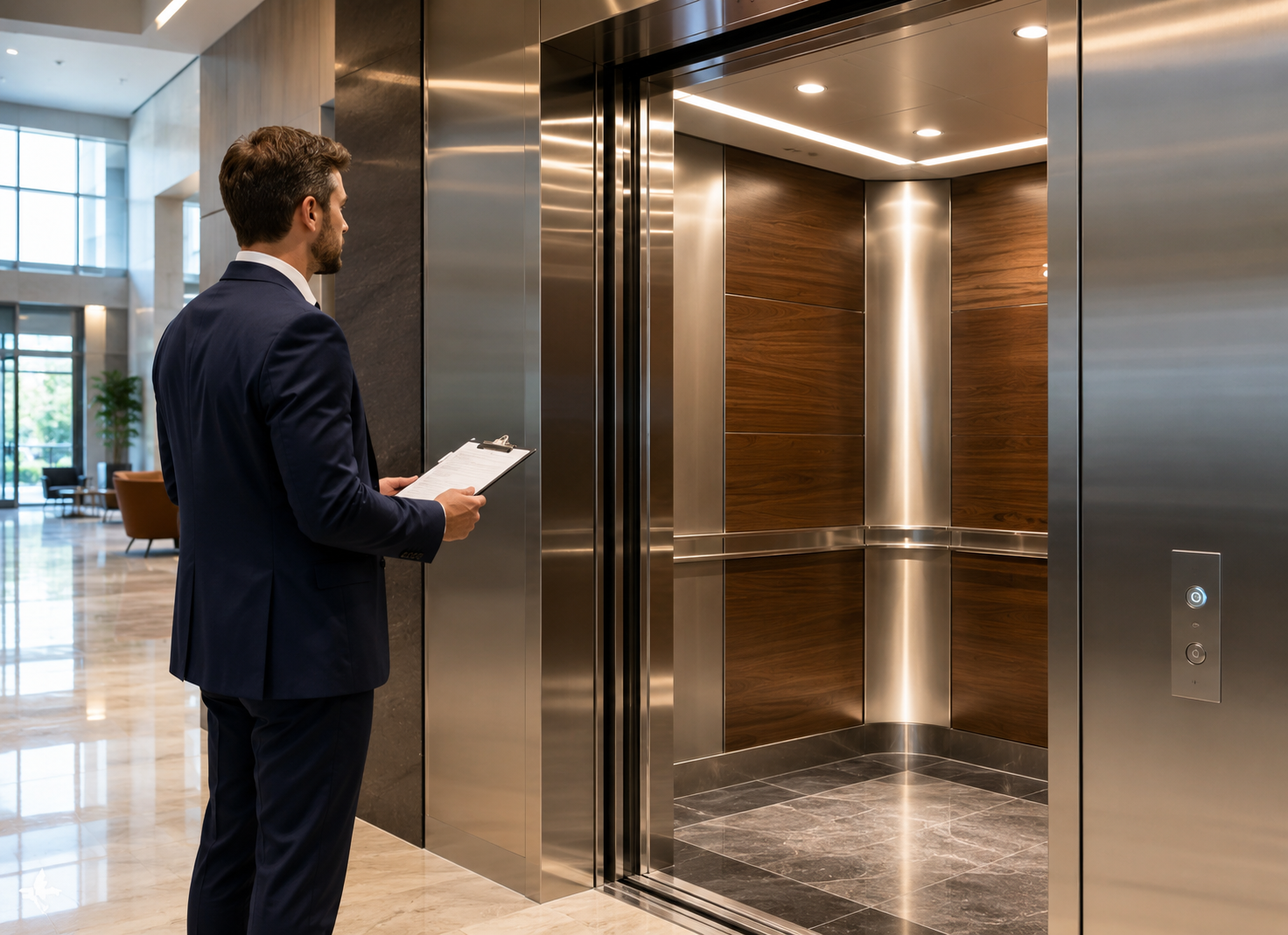
Your elevator interior isn’t just a functional space—it’s the first impression every tenant, client, and visitor gets of your property. So when do you know it’s time to modernize?
The answer isn’t always obvious. Sometimes it’s a clear trigger: a water leak, visible damage, or a pre-opening deadline. Other times, it’s subtler—a gradual sense that the elevator doesn’t reflect your building’s standards anymore, or that it’s not the aesthetic you want people to experience.
This guide walks you through the signs that modernization is worth considering, and how to think through the decision confidently.
The Visible Triggers
Some modernization needs are impossible to ignore.
Damage or Wear: Scuffed panels, worn flooring, scratched metal, water damage to the ceiling or tiles—these are the elevator interiors that make your whole property feel run down, regardless of how well-maintained everything else is. If visitors step into an elevator and immediately notice wear, it’s sending a message about your building’s standards.
Graffiti or Persistent Marks: Even if you clean them, if they keep returning, it’s worth addressing with a refresh that uses more durable materials or finishes designed to resist marking in high-traffic environments.
Code or Safety Issues: If an inspection flags issues, modernization becomes necessary. This is also an opportunity to frame the upgrade as an investment in safety and compliance—not just a fix.
The Strategic Triggers:
Beyond visible damage, there are moments when modernization becomes strategic—moments when your property is changing, and the elevator should reflect that change.
A Renovation or Rebrand: If you’re investing in your property’s aesthetic—new lobby finishes, updated signage, a fresh brand direction—your elevator interior should align. An outdated elevator undermines the rest of your investment.
High-Season Refresh: For hotels and hospitality properties, a pre-season elevator refresh can be transformative. Guests notice the details of their arrival experience, and a modernized, polished elevator sets a premium tone before they even reach their room.
New Tenants or Ownership: If your building is welcoming new tenants or has new ownership, a modernized elevator can reflect that fresh start and demonstrate that the property is well-maintained and forward-thinking.
A Competitive Moment: If you’re competing for tenants, clients, or business, your elevator is part of the pitch. A property with a modern, well-designed elevator interior makes a stronger impression than one that feels dated.
The Confidence Signals : Sometimes the trigger is less about a crisis and more about confidence—a sense that your building deserves an elevator interior that matches your standards.
Your Building’s Aesthetic Has Evolved: Your lobby, corridors, and common spaces reflect a certain style and quality. If your elevator interior hasn’t been updated in years, it may feel out of step with the rest of your property. That disconnect matters more than you might think—visitors notice, even subconsciously.
You’re Proud of Your Property: If you take pride in maintaining high standards, but your elevator interior feels dated or doesn’t match the image you want to project, that’s a signal worth listening to. Modernizing isn’t just maintenance—it’s an investment in how your property is perceived.
The Decision-Making Process
If any of these triggers resonate, here’s how to move forward with confidence.
Step 1: Start with a Vision
Before you call a contractor, get clear on what you want. Walk through your elevator. What feeling do you want people to have when they step inside? Should it feel modern and sleek? Warm and sophisticated? Professional and trustworthy? What materials or colors align with your building’s aesthetic?
You don’t need to have all the answers—that’s what a consultation is for. But starting with a direction will help you make confident choices when you see options.
Step 2: Get a Professional Assessment
A free consultation with an experienced elevator interior specialist will give you a clear picture of what’s possible. They’ll walk you through material options, finishes, and timelines. They’ll also help you understand whether you’re looking at a refresh (targeted upgrades) or a full modernization (complete redesign).
Step 3: Understand Your Options
Elevator interiors offer far more range than most property managers realize. High-performance laminates that resist wear. Architectural metals and stainless steel for a premium look. Wrapped finishes that match your building’s design. LED lighting that transforms the space. Designer glass accents. You’re not choosing between “old” and “new”—you’re choosing the specific look and feel that reflects your property.
Step 4: Plan Around Your Timeline
One of the biggest advantages of in-house fabrication is speed. Instead of waiting weeks for a vendor to produce custom finishes, an experienced team can often deliver faster—which means you can plan your modernization around your building’s schedule, not the other way around.
Moving Forward with Confidence
Modernizing your elevator interior is a high-stakes decision because it’s visible, expensive, and something you’ll live with for years. But it’s also an opportunity to invest in how your property is perceived and how your tenants, clients, and visitors experience the space.
If you’re seeing any of these triggers, a free consultation is worth the conversation. You’ll get clarity on what’s possible, what it costs, and how long it takes. And you’ll have the information you need to make a decision you’re confident in.
Ready to explore your options? Schedule a free consultation with Sterling to see what’s possible for your property. In the meantime, browse recent projects to see how other property managers have transformed their elevator interiors.